Gold Prices
Bullion’s Biggest Selloff: Why Gold and Silver Crashed And What (Gold Prices) It Means for Investors
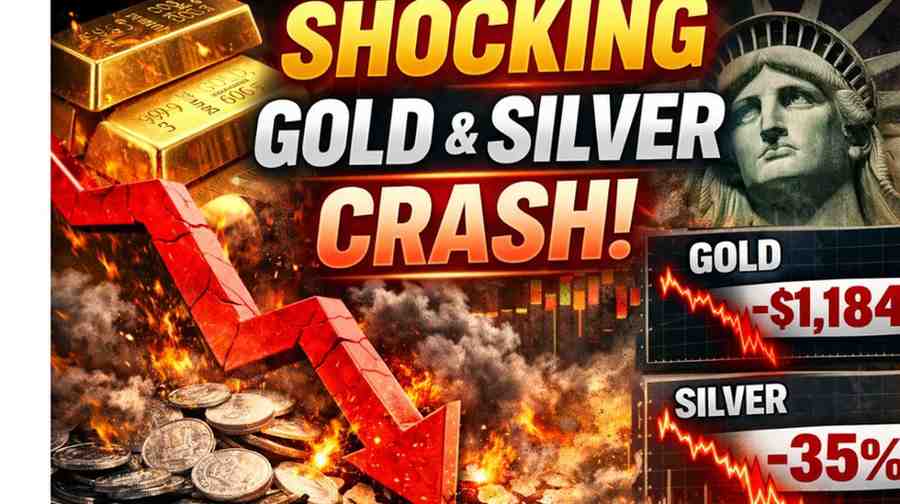
Gold and silver markets shocked investors last week with one of the sharpest selloffs in recent history. After touching record highs, bullion prices suddenly plunged, wiping out weeks of gains in just hours. Gold fell dramatically from peak levels, while silver saw an staggering drop of over 30%, sparking panic and confusion across global markets.
But was this crash a warning sign of fading investor interest (Gold Prices) or simply a healthy correction after months of explosive growth?
What Triggered the Historic Bullion Sell-Off?
The sudden crash in gold and silver wasn’t caused by a single event. Instead, it was the result of several powerful macroeconomic and technical forces colliding at once.
1. Macroeconomic Shocks Shook Market Confidence
Global markets reacted strongly to unexpected macroeconomic developments, particularly shifts in interest rate expectations and currency movements. A stronger U.S. dollar (gold prices) and rising bond yields made non-yielding assets like gold and silver less attractive in the short term.
When investors anticipate higher interest rates, they often move capital into assets that generate returns, such as bonds. This shift reduces demand for precious metals, triggering rapid price declines.
2. Overbought Conditions Led to Profit Booking
Gold and silver had been rallying aggressively for months. Prices reached historically overbought levels, meaning many traders were sitting on significant profits. Once sentiment shifted, large investors rushed to lock in gains.
This wave of profit-taking quickly turned into a broader selloff. Automated trading systems and stop-loss triggers accelerated the decline, creating a cascading (Gold Prices) effect that pushed prices lower at remarkable speed.
3. Margin Hikes Forced Liquidations
Another key factor behind the crash was increased margin requirements in futures markets. When exchanges raise margin levels, leveraged traders must either add funds or close their positions. Many investors chose to liquidate, flooding the market with sell orders.
Silver, known for its higher volatility compared to gold, was hit especially hard. The forced unwinding of leveraged positions amplified the downward momentum.
Is Investor Appetite for Bullion Fading?
Despite the dramatic price action, most analysts believe the selloff does not signal a long-term collapse in investor interest. Instead, it appears to be a technical correction a natural reset after an extended rally.
Precious metals (gold prices) often experience sharp pullbacks following rapid gains. These corrections help stabilize markets by reducing excessive speculation and leverage.
Importantly, the fundamental drivers supporting gold and silver remain largely intact.
Long-Term Fundamentals Still Support Gold and Silver
Several structural factors continue to underpin the precious metals market:
Central bank buying: Many countries continue to diversify reserves by accumulating gold.
Inflation hedging: Investors still view bullion as protection against currency depreciation.
Industrial demand for silver: Silver remains essential in electronics, solar energy, and advanced manufacturing.
Geopolitical uncertainty: Global tensions sustain demand for safe-haven assets.
These factors suggest that while short-term volatility may persist, the broader outlook for bullion remains constructive.
What This Means for Investors
For investors, the recent crash offers important lessons.
Short-term (Gold Prices) traders should prepare for continued volatility. Precious metals markets can swing sharply when sentiment changes, and risk management is critical.
Long-term investors, however, may see the correction as an opportunity. Market pullbacks often create attractive entry points for those with a longer investment horizon.
Experts recommend diversification and disciplined investment strategies rather than emotional reactions to sudden market moves.
Outlook: Correction or Turning Point
While it’s impossible to predict short-term price movements with certainty, many market observers consider the recent selloff a healthy reset rather than a structural breakdown.
If macroeconomic uncertainty persists and inflation concerns remain elevated, gold and silver could regain upward momentum over time. However, investors should expect a more balanced and volatile trading environment in the near future.
Final Thoughts
(Gold Prices) The biggest bullion selloff in recent memory highlights how quickly sentiment can shift in global financial markets. Driven by macroeconomic shocks, profit-taking, and forced liquidations, the correction reflects market mechanics more than a collapse in demand.
For informed investors, understanding these dynamics is key. Precious metals remain an important component of diversified portfolios, and periods of volatility often pave the way for future opportunities.